Contemporary Marvels: Study the Globe of Contemporary Sculptures
Wiki Article
Sculpting the Human Kind: Portrayals of the Body in Sculpture
Shaping the Human Kind: Portrayals of the Body in Sculpture is a comprehensive expedition of the creative depiction of the human body throughout background. From the charming marble sculptures of old Greece to the complex masterpieces of the Renaissance, from the flamboyant and ornate Baroque and Rococo sculptures to the progressive and abstract expressions of contemporary and modern sculpture, this exhibit supplies a captivating journey via the advancement of this timeless art type.Old Greek Sculptures
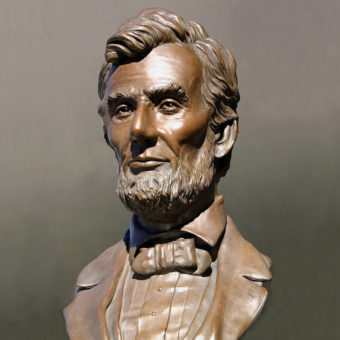
Among the specifying features of Ancient Greek sculptures is their emphasis on symmetry. Each component of the body is thoroughly crafted to be symmetrical to the whole, producing a feeling of equilibrium and harmony. The carvers paid careful attention to every information, from the placement of muscles to the positioning of limbs, making sure that each number appeared both graceful and effective.
Rather than showing the imperfections and defects of the human kind, they sought to produce an idyllic version of reality. The sculptures typically portrayed athletes, gods, and sirens, with their bodies sculpted to excellence.
Renaissance Masterpieces
Continuing the expedition of the portrayal of the human kind in sculpture, Renaissance work of arts further fine-tune the idyllic idea of charm, building upon the in proportion and harmonious proportions of their Old Greek predecessors. During the Renaissance duration, which extended from the 14th to the 17th century in Europe, musicians looked for to revive the classical suitables of old Greece and Rome. They examined and copied the jobs of the ancient masters, pursuing a practical depiction of the human body.
Among the most renowned Renaissance artists was Michelangelo Buonarroti. His masterpiece, the sculpture of David, exhibits the perfection and poise that came to be identified with Renaissance art. Standing at over 17 feet tall, the sculpture depicts the biblical hero in a state of tranquility prior to his fight with Goliath. David's muscular body, recorded with remarkable information, discloses the artist's mastery of human anatomy.
One more notable Renaissance artist was Donatello. His sculpture of Saint George, developed in the early 15th century, showcases the artist's capacity to share stamina and nobility via the human kind. The statuary portrays the fabulous dragon-slaying saint in a poised and confident stance, exhibiting a feeling of heroism.
Renaissance work of arts not only celebrated the physical appeal of the body but also conveyed much deeper meanings and feelings. With their precise focus to information and experienced workmanship, Renaissance carvers elevated the art of sculpture to brand-new elevations, leaving a long-term legacy that remains to motivate artists to now.
Rococo and baroque Sculpture
Rococo and baroque sculpture exemplifies the ornate and lavish representation of the human type during the 17th and 18th centuries. Identified by its dramatic and vibrant style, Baroque sculpture aimed to mesmerize viewers through its splendour and psychological intensity. Artists such as Gian Lorenzo Bernini and Alessandro Algardi produced sculptures that shared activity, typically depicting numbers in dramatic presents. The usage of light and darkness further improved the sense of drama, creating a staged impact.
Rococo sculpture, on the various other hand, arised as a response to the grandiosity of the Baroque period. They typically portrayed numbers in stylish and sensuous presents, mirroring the easy going and wayward Robert C Hitchcock Sculptor nature of the Rococo style.
Both Baroque and Rococo sculpture positioned a wonderful emphasis on the human form, celebrating its appeal and revealing a variety of emotions - Equine Sculptures. Whether it was the effective and vibrant numbers of the Baroque or the graceful and captivating figures of the Rococo, these sculptures caught the essence of the human experience, leaving a long lasting influence on the art globe
Modern and Contemporary Sculpture
The advancement of sculpting the human type continues in modern-day and modern sculpture. With the introduction of brand-new materials and techniques, musicians have actually pushed the borders of representation, testing standard ideas of form and beauty. Modern sculpture arised in the late 19th century as a reaction to the transforming political and social landscape. Artists such as Auguste Rodin and Constantin Brancusi sought to catch the essence of the human form, emphasizing emotion and motion. Rodin's "The Thinker" and Brancusi's "Bird precede" are renowned instances of this period.In the 20th century, the surge of abstraction and conceptual art brought new opportunities for artists. Artists like Henry Moore and Barbara Hepworth explored the relationship in between kind and space, developing organic and abstracted figures that challenged standard ideas of representation. Moore's monumental bronze sculptures and Hepworth's carved rock works are celebrated for their ingenious usage of products and their capacity to stimulate a feeling of the body in a non-literal means.
Contemporary sculpture remains to press the borders of representation and check out brand-new products and methods. Musicians like Antony Gormley and Ron Mueck produce hyper-realistic sculptures that test our perception of the body, while others, such as Louise Bourgeois and Kiki Smith, utilize the body as an allegory for personal and cumulative experiences. The human kind continues to be a powerful subject in sculpture, giving a platform for artists to discover identity, emotion, and the human problem.
Cultural Viewpoints on the Body
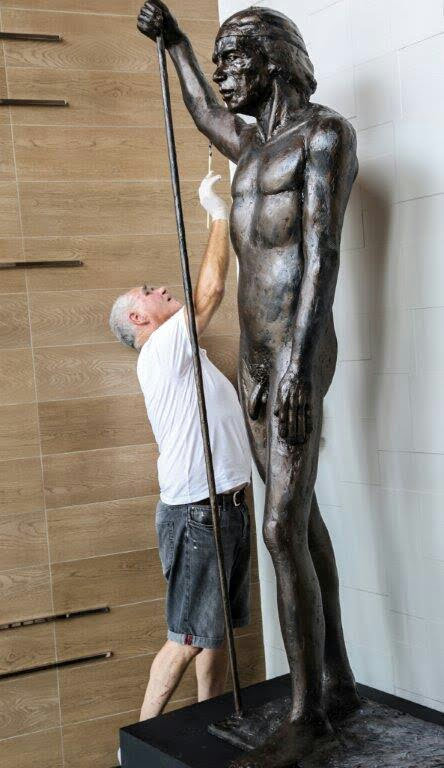
In the expedition of forming the human form, the examination of social point of views on the body discloses a diverse and abundant tapestry of interpretations and depictions. Throughout background, different societies have actually held unique ideas and worths regarding the body, resulting in unique artistic expressions - Robert C Hitchcock Sculptor. These cultural perspectives shape the method the human body is shown and viewed in sculpture, reflecting societal norms, religions, and aesthetic ideals
For circumstances, old Greek sculptures celebrated the idyllic human form, highlighting physical appeal and athleticism. In comparison, old Egyptian sculptures concentrated on the conservation of the body in the immortality, portraying figures with rigid postures and idyllic functions.
Likewise, social point of views on the body in African art usually highlight public identification and spiritual beliefs (Bronze Sculptures). Sculptures from numerous African cultures depict the body with overstated attributes, symbolizing social worths and genealogical links. Native societies in the Americas likewise have one-of-a-kind viewpoints on the body, commonly showing it in a spiritual context and highlighting the connection between humans and nature
The evaluation of social point of views on the body in sculpture permits us to obtain understanding into the values, beliefs, and aesthetics of different cultures throughout history. It highlights the diversity of human experiences and the methods in which art reflects and shapes our understanding of the human kind.
Final Thought
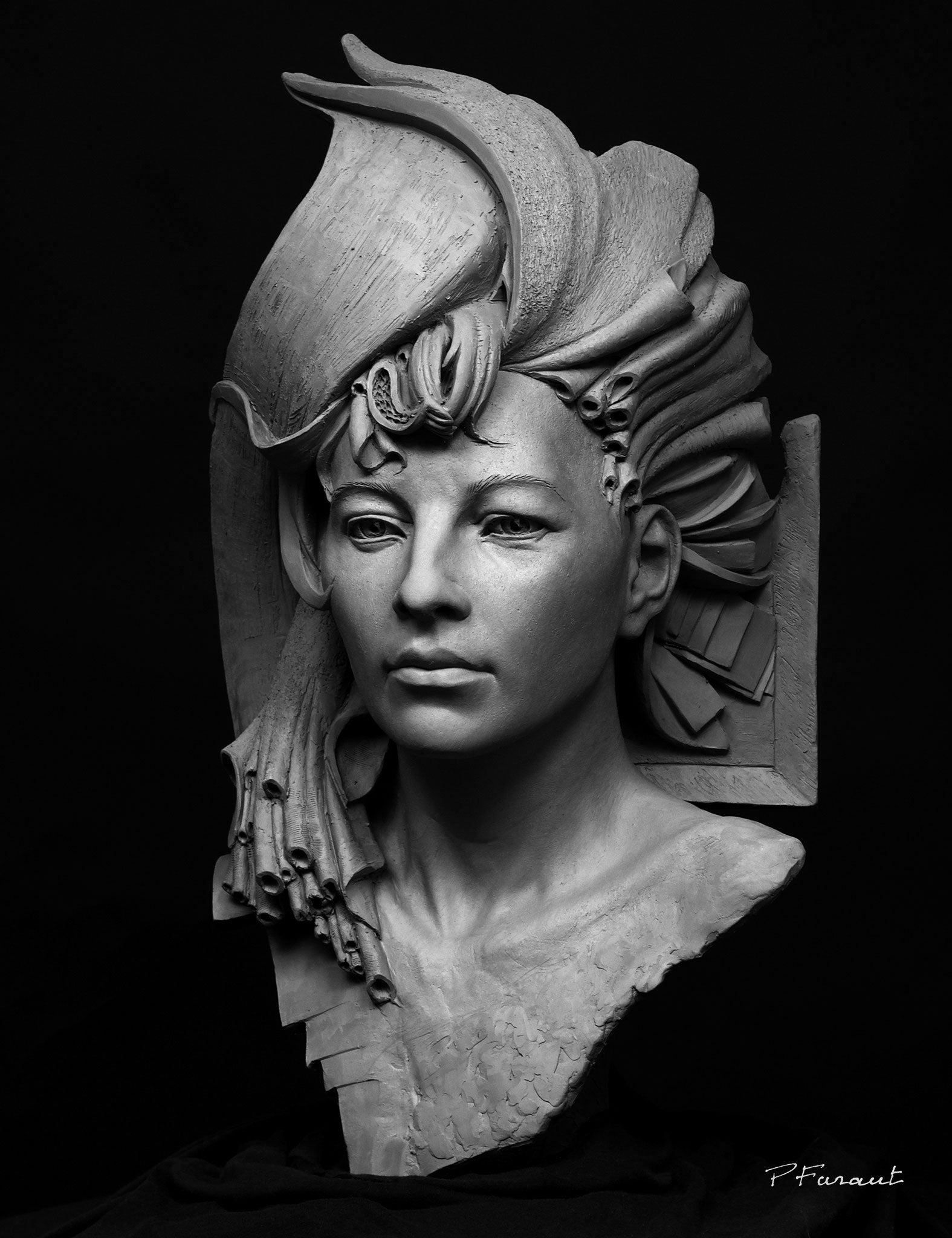
In final thought, the portrayal of the body in sculpture has evolved over time, reflecting various imaginative movements and social point of views. From the idealized figures of Ancient Greek sculptures to the practical and emotive Renaissance work of arts, and the intricate information of Baroque and Rococo sculptures, to the abstract and experimental forms of contemporary and contemporary sculpture. The human body has been a topic of fascination and creative expedition throughout background, showcasing the diverse interpretations and expressions of the human type.Forming the Human Form: Portrayals of the Body in Sculpture is a detailed exploration of the creative depiction of the human body throughout background. From the charming marble sculptures of old Greece to the detailed masterpieces of the Renaissance, from the ornate and flamboyant Baroque and Rococo sculptures to the avant-garde and abstract expressions of modern-day and contemporary sculpture, this exhibit provides an exciting journey through the evolution of this timeless art kind. Artists like Antony Gormley and Ron Mueck develop hyper-realistic sculptures that test our assumption of the human body, while others, such as Louise Bourgeois and Kiki Smith, use the body as a metaphor for individual and collective experiences. The human kind stays a powerful subject in sculpture, giving a platform for musicians to explore identification, feeling, and the human condition.
From the idyllic numbers of Old Greek sculptures to the practical and emotive Renaissance masterpieces, and the intricate information of Baroque and Rococo sculptures, to the abstract and experimental forms of modern-day and modern sculpture.
Report this wiki page